Supplements
Sleep Supplements: An Evidence-Based Review
From melatonin to magnesium, we examine what science says about popular sleep supplements and which ones actually work.
DSC
Dr. Sarah Chen
Sleep Scientist
8 min read
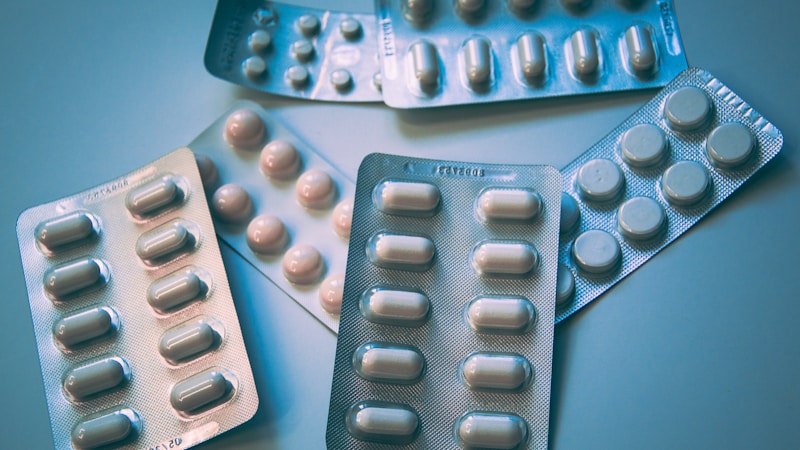
The sleep supplement market is flooded with products promising better rest. But which ones are backed by science, and which are marketing hype? Let's examine the evidence.
Melatonin
What it is: A hormone your body naturally produces to regulate sleep-wake cycles. The evidence: Strong evidence for jet lag and shift work disorder. Moderate evidence for general insomnia, with effects being modest—falling asleep about 7 minutes faster on average. Best use: 0.5-3mg taken 30-60 minutes before bed. Higher doses aren't more effective and may cause grogginess. Our rating: A for circadian disorders, B for general sleepMagnesium
What it is: An essential mineral involved in hundreds of enzymatic reactions, including neurotransmitter function. The evidence: Studies show magnesium deficiency is linked to poor sleep. Supplementation helps those who are deficient, which includes many adults. Evidence for those with adequate magnesium is less clear. Best forms: Magnesium glycinate and magnesium threonate are preferred for sleep; avoid magnesium oxide which is poorly absorbed. Our rating: B+ (especially if you're likely deficient)L-Theanine
What it is: An amino acid found naturally in tea leaves. The evidence: Good evidence for promoting relaxation without sedation. Studies show it increases alpha brain waves associated with calm alertness. May improve sleep quality, especially when combined with GABA. Best use: 100-400mg before bed. Our rating: BGlycine
What it is: An amino acid that plays a role in the central nervous system. The evidence: Several studies show 3g before bed improves sleep quality and reduces daytime fatigue. Works partly by lowering core body temperature. Our rating: BValerian Root
What it is: An herb used for centuries as a sleep aid. The evidence: Mixed results in studies. Some show modest benefits, others show no effect. May work better with continued use over 2-4 weeks. Our rating: CCBD
What it is: A non-psychoactive compound from cannabis plants. The evidence: Limited clinical evidence specifically for sleep. Some studies suggest it may help anxiety, which could indirectly improve sleep. Quality control issues are rampant in the CBD market. Our rating: C (insufficient evidence)What Doesn't Work
Diphenhydramine (Benadryl, ZzzQuil): While it causes drowsiness, it reduces sleep quality, can cause next-day grogginess, and leads to tolerance quickly. Not recommended for regular use. 5-HTP: Despite marketing claims, evidence for sleep benefits is weak.Key Takeaways
- 1. No supplement replaces good sleep hygiene
- 2. Start with the basics: consistent schedule, dark room, cool temperature
- 3. Magnesium is a good starting point as many people are deficient
- 4. Melatonin works best for circadian issues, not general insomnia
- 5. Quality matters: Choose third-party tested supplements
Tags: supplements melatonin magnesium natural sleep aids

